


What Is The Difference Between A Will And Living Trust?
December 9, 2020
Tanko Law Montana
Estate planning, especially before your demise, is a crucial element of wealth and estate management. Last wills and testaments and living trusts are both suitable methods of distributing your assets to your beneficiaries in a legal manner and according to your wishes. However, these methods differ in the mode of creation and execution. Read on as Tanko Law explains the difference between a will and a living trust.
What is a Will?
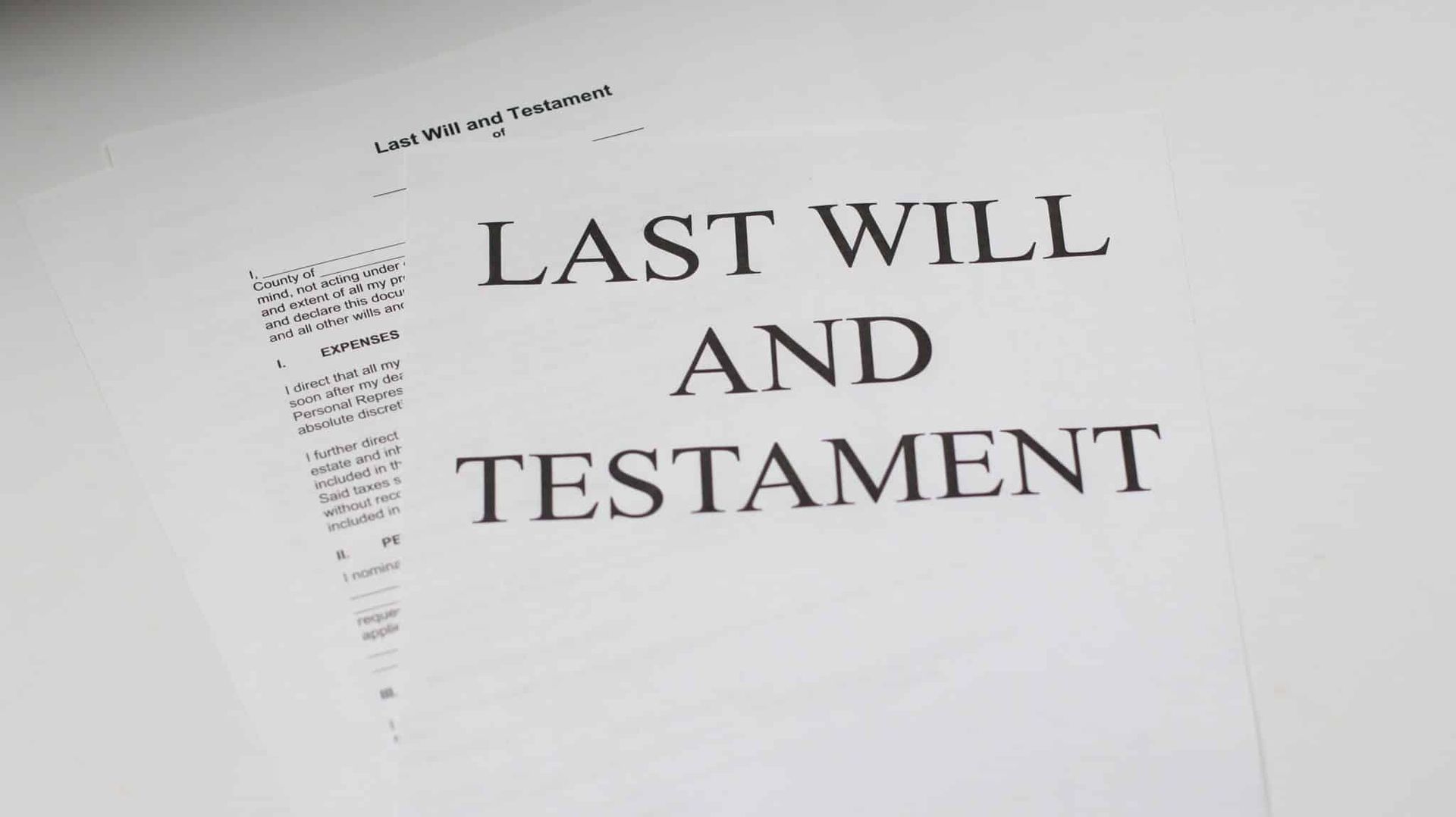
A will is a legal document that describes the deceased’s wishes (testator) as to how their property (estate) should be distributed among their beneficiaries. If you create a will, you are the testator. The testator appoints an executor to administer and dispose of the estate, as stated in the will.
What is a Living Trust?
A living trust or inter vivos is a legal document, which creates a special form of fund known as a trust. The estate or assets owner, also known as the grantor or settlor, transfers assets to the trust. Next, the grantor names a trustee responsible for managing assets for the grantor’s benefit and distributing the estate among beneficiaries after the grantor’s demise.
What is the Difference Between a Will and a Living Trust?
The major difference between wills and living trusts is that a will takes effect upon a testator’s death, while a living trust takes effect when the grantor is still alive. A living trust also offers better control and management of assets after your passing to give the beneficiaries a continuous cash flow.
Openness To Change: Living Will vs. Trust
If you’re creating a legal document that determines your property’s distribution, you probably want to know if you can change it. Fortunately, both wills and trusts offer an opportunity for change should you change your mind.
A living trust is known as a living revocable trust because the grantor can change the trust’s terms at any time or revoke its operations altogether. These changes may include removing or adding beneficiaries, changing who gets what, or modify how assets in the trust are managed. While the flexibility of a living revocable trust is great, it also means that property owners cannot enjoy the benefits of an irrevocable trust.
For example, if you have debts, your creditors can sue to liquidate assets to settle debts. Also, upon your death, the assets in the trust are subject to both state and federal taxes.
You can also update a will after significant events such as marriage, divorce, getting a child, or a beneficiary’s or executor’s death. However, it’s essential to know that you cannot write on the will after witnessing and signing. Typing or writing on it, or even making a mistake such as stapling it, invalidates the will. Instead, you can revoke the old will by writing a new will or making a codicil. It’s best to destroy the old will when you write a new one.
A codicil is an official testamentary document that revokes, alters, or supplements the existing will. It’s a cheaper alternative to creating a new will and helps you make minor adjustments without rewriting the entire will.
Requirements For Validity: Living Will vs. Trust
Both wills and living trusts need to fulfill legal requirements to remain valid in the eyes of the law. In Montana, the legal requirements for writing a will are:
- The testator must be 18 and above.
- The testator must be of sound mind. This means that you must be aware that you’re writing a will and understand your property and beneficiaries when creating and signing the will.
- The will should be in writing and signed by the testator, signed by two witnesses, and name an executor.
- If your will is handwritten (holographic will), you’re allowed not to have witnesses, but you should sign at the end.
- While this isn’t mandatory, the will should be notarized to be self-proved. This means that no testimony from the witnesses is necessary when the will is presented in probate court. To notarize a will, witnesses should provide a self-proving affidavit to a notary public (officer of the court).
Whether you choose to create a living trust alone or with the assistance of an attorney, the trust should have the following:
- The legal document for creating the trust, also known as a declaration of trust or trust agreement.
- The name of the person creating the trust or the owner of the assets. This person is also called a grantor, settlor, or trustor.
- The name of the trustee of the initial trustee who manages the trust. In this case, it’s the grantor.
- The name of the successor trustee. This is the person who takes over the trust management after the grantor passes or becomes incapacitated.
- The beneficiaries to receive assets.
- The person to manage assets left to young beneficiaries.
- The assets- the grantor, should transfer ownership of the assets to the trust using the required transfer documents.
- After writing the document, you should sign it before a notary.
What About The Probate Process?
Under Montana law, the executor or administrator should file a will with the court within a reasonable time after the testator’s death. Filing the will begins a legal procedure known as probate, where the court supervises the distribution of the deceased’s estate.
A living revocable trust avoids the probate process, which accelerates the transfer of assets to beneficiaries and avoids costs associated with probate procedures. It’s also easier to disinherit anyone that challenges the trust and preserve the privacy of your estate after your passing.
What Property Can You Place Under a Will or Living Trust?
You can place the following under a will:
- Cash accounts and savings
- Business interests such as shares and partnerships
- Valuable items such as antiques, artworks, furniture, and jewelry.
- Pets
You can place the following under a living trust:
- Real estate property
- Securities such as mutual funds, bonds, and stocks
- Company or partnership interests
- Valuable jewelry, art, antiques, and other personal items
- Cash and bank accounts
Do You Need an Attorney for a Will or Living Trust?
An attorney is not required to write a will in Montana. However, seeking legal advice from a will attorney can help you avoid ambiguity in your will, handle taxes, and navigate complex situations when children and guardians are involved.
You can also create a living trust without an attorney. To do this, purchase a legal boilerplate and fill in the necessary details.
Conclusion
Wills and living trusts are excellent methods of estate planning after your passing. Before choosing either, it’s best to weigh each legal document’s qualities and decide what suits you according to costs, the size of your estate, debts, and control. Consult a Tanko Law attorney today to select the right estate planning method for you.
Talk to a Montana Estate Planning Attorney
Brian Tanko brings over 20 years of experience as an attorney, CPA, and Certified Fraud Examiner to every estate plan. Schedule a consultation to discuss your situation.
Latest Posts